
Description
What Is YK-11?
YK-11 is a synthetic compound classified as a Selective Androgen Receptor Modulator (SARM), distinguished by a structure based on dihydrotestosterone (DHT). Developed to explore its effects on muscle mass and androgenic activity, YK-11 stands out as a unique agent that combines androgen receptor modulation with potential myostatin inhibition. This dual function differentiates it from other SARMs and makes it a subject of increasing scientific interest in the fields of molecular biology and muscle regulation research.
How Does YK-11 Work?
YK-11 interacts with androgen receptors and activates specific genetic pathways associated with muscle hypertrophy. A key feature of its mechanism is its ability to increase levels of follistatin—a natural protein that suppresses the activity of myostatin. Myostatin is a major regulator that inhibits excessive muscle growth. Through the balanced suppression of this pathway, YK-11 creates favorable conditions for enhanced muscle protein synthesis while maintaining selectivity for androgen receptors. This makes it particularly valuable for studies focused on optimizing muscle function and physiology.
Scientifically Supported Potential Benefits of YK-11
YK-11 has generated significant interest in research communities due to several observed effects that may be relevant to muscle growth and regulation. These include:
- Enhanced muscle growth through androgen receptor modulation;
- Increased follistatin production and subsequent myostatin inhibition;
- Improved muscle density and pronounced anabolic response;
- Potential support for strength gains and recovery processes;
- Tissue-selective activity with minimal systemic impact on other organs.
These effects are under continued investigation through advanced laboratory analyses aiming to deepen the understanding of molecular mechanisms involved in muscle regulation.
YK-11 vs Other SARMs
YK-11 differs from other Selective Androgen Receptor Modulators (SARMs) through its unique DHT-derived structure and its ability to influence follistatin—a natural myostatin inhibitor. This additional mechanism places it in a distinct category when compared to conventional SARMs such as Ostarine (MK-2866), RAD-140, and S23.
Compared to Ostarine, YK-11 demonstrates significantly stronger anabolic potential, albeit with greater need for monitoring and control. While Ostarine is typically favored for longer, lighter research protocols, YK-11 is primarily used in short-term cycles with an intensive focus on muscle growth.
In contrast to RAD-140—also known for its strong anabolic effects—YK-11 offers an added benefit via its ability to upregulate follistatin, a mechanism not found in RAD-140. This gives YK-11 an advantage in studies targeting maximal suppression of myostatin, a key factor limiting muscle development.
When compared with S23, a highly potent SARM associated with suppression of endogenous testosterone, YK-11 provides a more unconventional yet highly effective approach to anabolic processes. Both compounds require precise dosing, but YK-11 shows promise for achieving unique outcomes in protocols aiming to surpass standard hypertrophy limits.
Due to its complex action and distinct mechanism, YK-11 is often incorporated into advanced research protocols where a combined effect of androgenic stimulation and myostatin regulation is desired.
Dosage and Application of YK-11 in Research Protocols
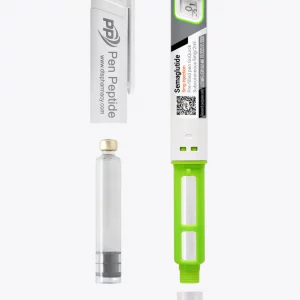
Suggested research protocol: 3 units once daily for 4–6 weeks, followed by a 2–4 week off-cycle.
1 unit = 23.33mcg
Total pen content: 150 units
Possible Side Effects of YK-11
Despite growing interest in its properties, YK-11 must be evaluated with care regarding its safety profile. Based on available research data, potential adverse effects may include:
- Suppression of natural testosterone production;
- Androgenic effects with extended use;
- Limited data on long-term safety.
Maintaining appropriate dosage and strict control over cycle duration are essential to minimize the risk of unwanted effects.
For laboratory purposes and personal observation only.