
Description
What Is Ostarine (MK2866)?
Ostarine, also known as MK2866, is a Selective Androgen Receptor Modulator (SARM) developed for research focused on building and preserving lean muscle mass, enhancing physical strength, and supporting bone structure. It is one of the most extensively studied molecules in its class, known for its well-balanced anabolic effect combined with a low risk of adverse reactions when applied appropriately.
MK2866 was designed for the investigation of conditions associated with muscle loss, including aging, chronic illness, or prolonged immobilization. Thanks to its high tissue selectivity and mild yet effective androgenic activity, Ostarine is widely utilized in research models aimed at physical rehabilitation and body recomposition.
Mechanism of Action of Ostarine (MK2866)
Ostarine works by selectively activating androgen receptors in muscle and bone tissues. This activation promotes protein synthesis, nitrogen retention, and improved metabolic activity involved in the formation and maintenance of muscle fibers.
MK2866 binds to androgen receptors in a way that allows anabolic action without significant impact on other organs such as the prostate. It does not convert to estrogen and does not cause water retention, which contributes to a cleaner body composition throughout the research protocol.
Scientifically Supported Potential Benefits of Ostarine (MK2866)
Scientific observations from research using Ostarine have highlighted several key potential benefits:
- Promotion and preservation of lean muscle mass, especially under caloric deficit;
- Accelerated recovery following physical exertion or catabolic stress;
- Improved bone density and structural resilience;
- Support for functional strength and muscular endurance;
- Suitable profile for longer-term research protocols.
Ostarine is particularly appropriate for studies aimed at minimizing muscle loss and maintaining physical performance during caloric restriction or recovery phases.
Ostarine (MK2866) vs Other SARMs
Ostarine (MK2866) is one of the most widely used and well-researched SARMs, known for its high tolerability, moderate anabolic effect, and suitability for extended research protocols. Due to its balanced profile, it is frequently compared with compounds such as Ligandrol (LGD-4033), Testolone (RAD-140), and S23.
Compared to Ligandrol, Ostarine offers a milder anabolic effect with a lower risk of side effects, particularly during long-term use. While LGD-4033 may be better suited for models targeting rapid muscle growth, MK2866 is often preferred in research focused on muscle preservation under conditions like caloric restriction, immobility, or age-related sarcopenia.
When compared to RAD-140, which has a stronger anabolic profile and potential neurotropic effects, Ostarine shows a more stable and predictable safety profile with less suppression of the hormonal axis. This makes it suitable for studies where the goal is not maximum hypertrophy, but structural maintenance and gradual recovery.
Relative to S23—a highly potent SARM with a more aggressive androgenic profile—Ostarine remains a significantly safer and more controllable alternative, often used in initial research protocols or as part of support cycles following stronger compounds.
MK2866 is frequently selected in research settings aimed at improving body composition, reversing catabolic states, and maintaining strength without requiring complex hormonal interventions.
Dosage and Application of Ostarine (MK2866) in Research Protocols
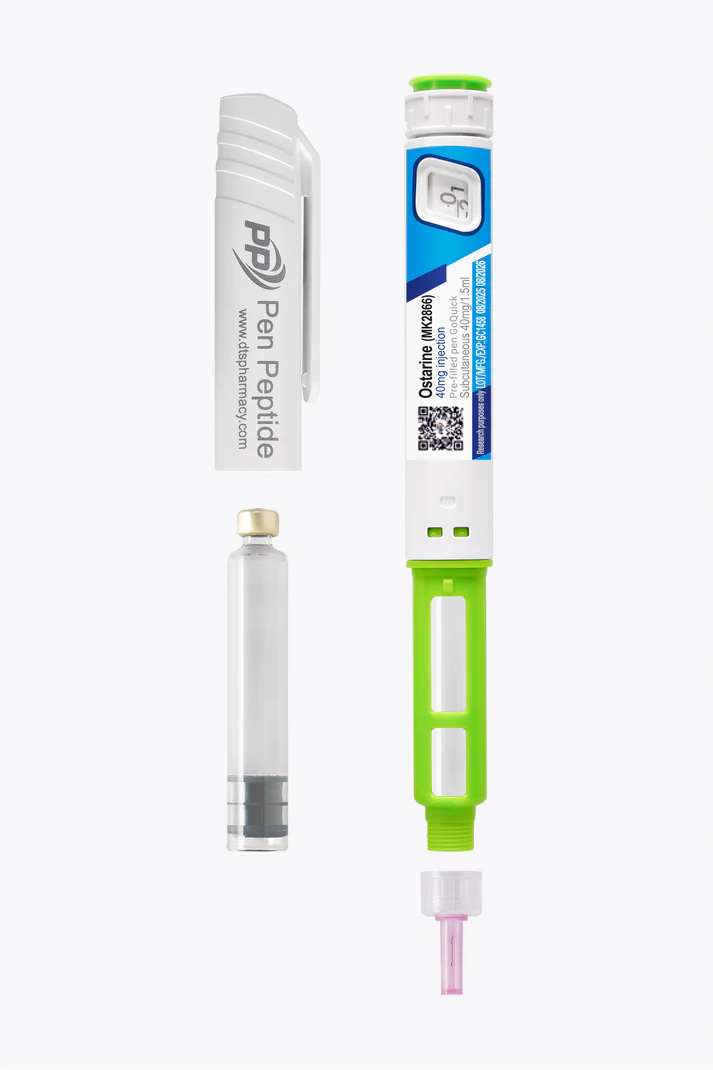
Suggested research protocol: 5 units once daily for 4–6 weeks, followed by a 2–4 week off-cycle.
1 unit = 26.66mcg
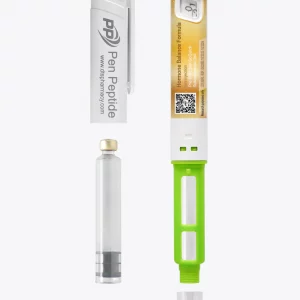
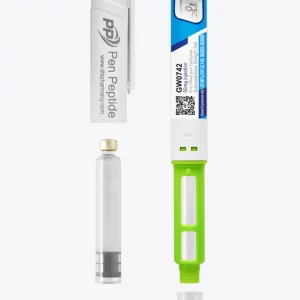
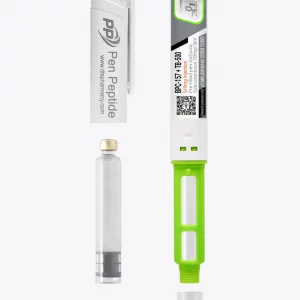
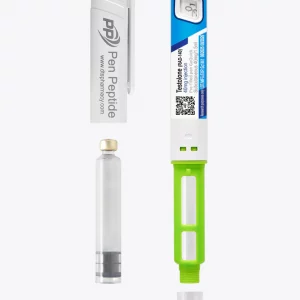
Total pen content: 150 units
Possible Side Effects of Ostarine (MK2866)
Despite MK2866’s favorable safety profile, some side effects have been observed, especially with extended use or higher doses:
- Temporary suppression of natural testosterone production during prolonged protocols;
- Mild changes in appetite or energy levels;
- Individual responses related to androgen sensitivity.
Maintaining an optimal dosage and controlling the duration of application are essential in minimizing the manifestation of side effects.
For laboratory purposes and personal observation only.