
Description
What is Ligandrol (LGD-4033)?
Ligandrol, also known as LGD-4033, is a potent selective androgen receptor modulator (SARM) developed for research purposes on muscle growth, strength and bone density maintenance. It is considered one of the most effective compounds in its class, especially when looking for a significant increase in muscle mass in a short period of time.
LGD-4033 is designed to provide intense anabolic action while maintaining high tissue selectivity. This means that it primarily affects muscle and bone tissue without affecting other sensitive organs and systems. Due to this focus, Ligandrol is often used in research settings for conditions such as sarcopenia, muscle atrophy and other forms of tissue loss.
Ligandrol (LGD-4033) Mechanism of Action:
Ligandrol works by binding to androgen receptors, activating pathways related to protein synthesis and nitrogen retention – key processes for building muscle tissue. At the same time, it supports bone mineral density, which contributes to structural stability and resistance to physical exertion.
Unlike testosterone and other androgen preparations, LGD-4033 does not convert to estrogens, does not retain water, and does not cause hormonal fluctuations. This makes it especially valuable for research purposes when a strong anabolic response is sought without the typical side effects of steroids.
Potential scientifically supported benefits of Ligandrol (LGD-4033):
Research done with Ligandrol (LGD-4033) has demonstrated impressive results related to:
- Significant increase in muscle mass and physical strength;
- Improved tissue recovery after training or exercise;
- Maintenance of muscle volume during caloric deficit or immobilization;
- Enhanced bone density, making it suitable for patterns associated with bone loss;
Ligandrol is often chosen in studies focusing on strength parameters, functional musculature, and exercise endurance.
Comparison of Ligandrol with other SARMs
Ligandrol (LGD-4033) is often regarded as one of the most potent and well-studied selective androgen receptor modulators in the SARMs category. This puts it in direct comparison with other popular molecules such as Ostarine (MK2866), Testolone (RAD-140) and S23.
Compared to Ostarine, which is considered milder and more suitable for beginner protocols or long-term use, Ligandrol offers a significantly more pronounced anabolic effect in a shorter time. While Ostarine is excellent for maintaining lean muscle mass, LGD-4033 is preferred in models aiming to actively gain lean muscle mass.
Compared to RAD-140, Ligandrol has demonstrated similar strength and bulking ability, but generally with less risk of neuroendocrine irritation. RAD-140 shows potential activity in the central nervous system as well, while Ligandrol remains more focused on muscle and bone tissue.
Compared to S23, which features very high androgenic activity but also almost inevitable testosterone suppression, Ligandrol provides a more balanced profile – strong but with a lower risk of side effects. Therefore, LGD-4033 is often preferred in research protocols where an optimal balance between potency, safety and recovery is sought.
Dosage and administration of Ligandrol (LGD-4033) in research protocols:
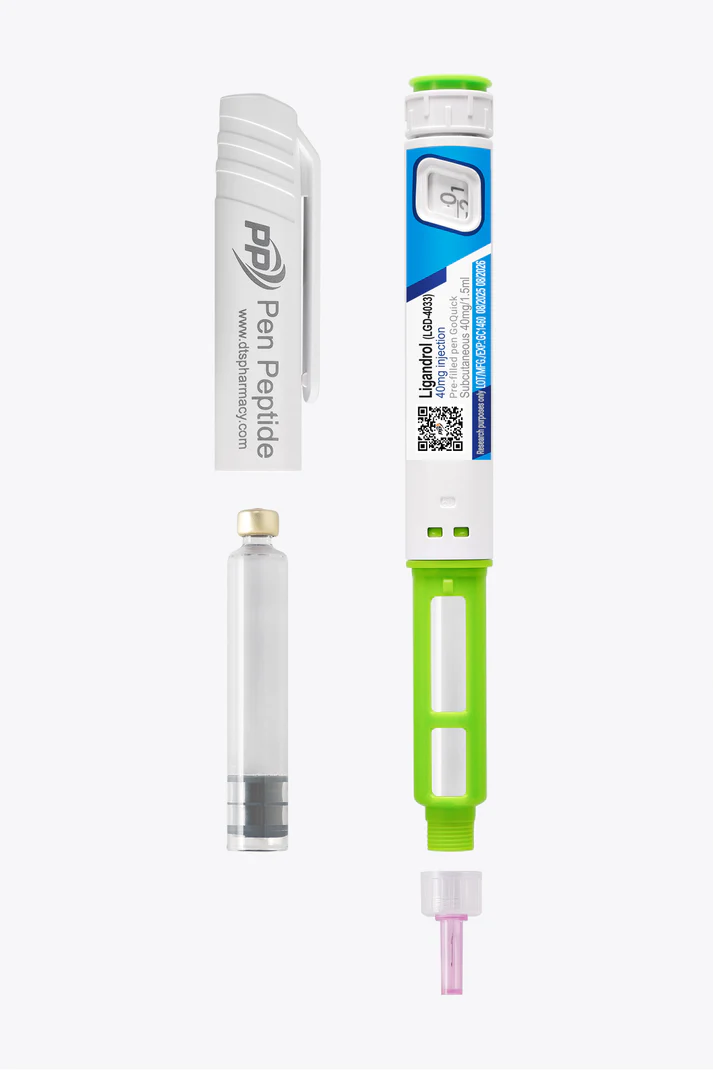
Recommended study regimen: 4 units once daily for 4–6 weeks, followed by a 2–4 week rest period.
1 unit = 26.66mcg.
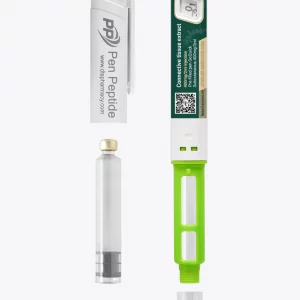
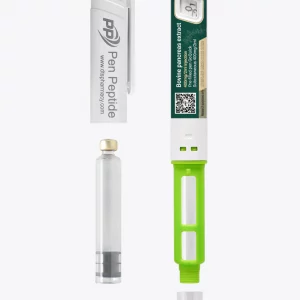
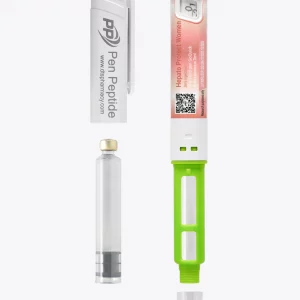
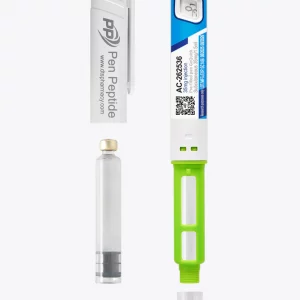
Total quantity in pen: 150 units
Possible side effects of Ligandrol (LGD-4033):
Despite the high effectiveness of LGD-4033, there are observations of some side effects, especially with long-term use or higher doses:
- Temporary suppression of natural testosterone;
- Libido or mood changes in certain research models;
- Individual sensitivity to androgenic activity.
Compliance with the optimal dosage and control over the duration of the application play a key role in limiting the manifestation of side effects.
For laboratory purposes and personal observation only.