
Description
What is Cardarine (GW501516)?
Cardarine, also known as GW501516, is a compound of the group of PPAR-δ (peroxisome proliferator-activated receptor delta) agonists. Although it is often mentioned alongside SARMs, it represents a separate class of compounds focused on the regulation of energy metabolism. GW501516 was developed to study metabolic mechanisms that govern fat burning, glucose balance and physical endurance.
Cardarine is gaining serious popularity in scientific circles due to its ability to influence mitochondrial activity and fatty acid oxidation, thereby supporting the body’s adaptation to increased physical activity and caloric deficit. Its profile makes it a valuable target in research related to improving metabolic efficiency and cardio-respiratory endurance.
Cardarine (GW501516) Mechanism of Action:
Cardarine works by activating PPAR-δ receptors – regulators responsible for controlling the expression of genes involved in fat metabolism, glucose utilization and cellular energy. Activation of these receptors leads to increased fat burning and improved ability of cells to use oxygen efficiently.
In addition, GW501516 supports the shift of energy needs from carbohydrates to fat, which is particularly important in studies related to endurance and body composition control. Cardarine does not affect androgen receptors, which makes it suitable for studies in which it is necessary to avoid hormonal influence.
Potential scientifically supported benefits of Cardarine (GW501516):
Cardarine has been the subject of a number of studies in which the following potential effects have been observed:
- Increased fat burning by activating β-oxidation;
- Improved energy efficiency and aerobic endurance;
- Optimization of glucose metabolism and insulin sensitivity;
- Supporting physical activity in caloric deficit;
- Preservation of muscle mass while simultaneously reducing fat;
- Non-hormonal profile, no suppression of testosterone or androgenic activity;
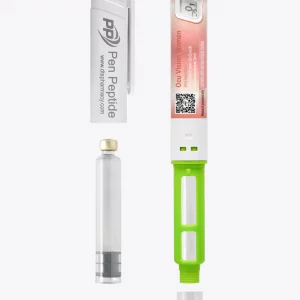
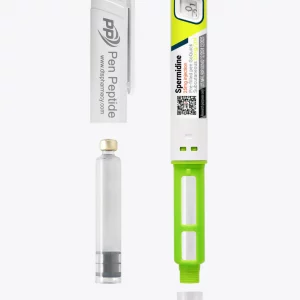
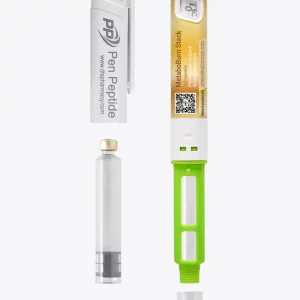
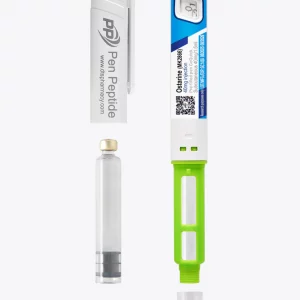
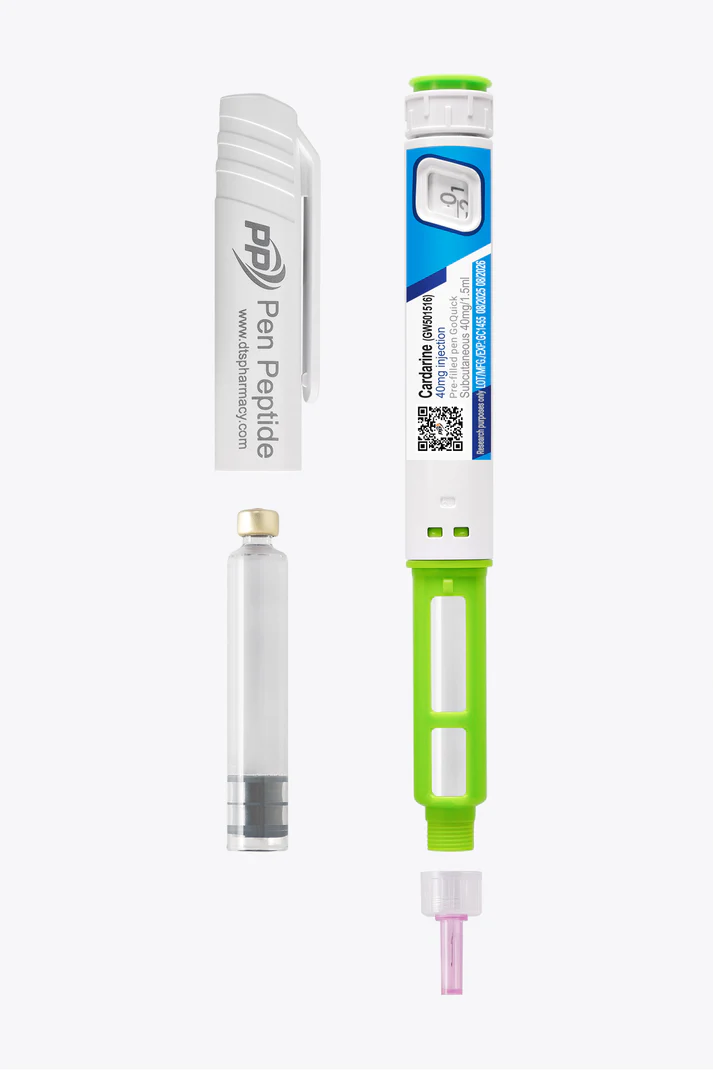
- Suitable for subcutaneous use, with a stabilized formula for controlled absorption.
These characteristics make GW501516 suitable for studies related to improving athletic endurance, body weight control, and energy regulation.
Comparison of Cardarine (GW501516) with other SARMs and metabolic modulators
Cardarine (GW501516) is a synthetic PPAR-δ receptor agonist that is used in research protocols aimed at burning fat, increasing endurance, and improving metabolic efficiency. Although often mentioned alongside SARMs, Cardarine does not interact with androgen receptors, but instead modulates energy metabolism by activating specific nuclear receptors.
Compared to GW0742, another PPAR-δ agonist, Cardarine has a lower selectivity but a better studied profile. GW0742 is more potent at the receptor level, but Cardarine is more widely used in research models, particularly related to sports physiology, long-term activity and glucose control. Cardarine has been successfully applied in laboratory settings to assess lipid metabolism without directly altering the hormonal profile.
Compared to Stenabolic (SR9009), which affects REV-ERBα receptors and circadian rhythms, Cardarine acts more centrally on fat metabolism and energy utilization, particularly in skeletal muscle. SR9009 shows synergistic potential with Cardarine, but in contrast does not activate the PPAR pathway directly. Therefore, Cardarine remains preferred in studies focusing on sports endurance and lipid control.
In the context of SARMs like Ostarine or Ligandrol, which target muscle growth, Cardarine serves as a complementary compound – with a different mechanism, but a strong role in body recomposition protocols. It does not stimulate androgenic activity, does not suppress testosterone and can be used alone or in combination for maximum metabolic efficiency.
Dosage and administration of Cardarine (GW501516) in research protocols:
Recommended study regimen: 5 units once daily for 4–6 weeks, followed by a 2–4 week rest period.
1 unit = 26.66mcg.
Total quantity in pen: 150 units
Possible side effects of Cardarine (GW501516):
Despite the potential of Cardarine, there are observations of some side effects, especially with prolonged use or higher doses:
- Insufficient long-term data related to chronic exposure;
- Changes in the lipid profile under certain conditions;
- Individual reactions.
Compliance with the optimal dosage and control over the duration of the application play a key role in limiting the manifestation of side effects.
For laboratory purposes and personal observation only.