
Description
What is ACP‑105?
ACP-105 is a synthetic selective androgen receptor modulator (SARM) developed to provide a pronounced anabolic effect with significantly limited systemic effects on organs sensitive to androgen stimulation. The compound represents one of the most innovative molecules in its class and features a high affinity for receptors in skeletal muscle and bone tissue without activating other hormonal pathways that could lead to adverse reactions.
ACP-105 has attracted the attention of the scientific community with promising results related to increases in lean muscle mass, improvements in bone density, and restoration of functional strength in models undergoing muscle atrophy or hormone deficiency. Due to its precise molecular structure and high tissue selectivity, ACP-105 is considered as a potential research tool in the fields of sarcopenia, osteoporosis and physical rehabilitation.
Mechanism of action of ACP‑105:
ACP-105 binds with high selectivity to androgen receptors in specific tissues, particularly skeletal muscle and bone. After binding, it activates the transcription of genes responsible for muscle protein synthesis, cell regeneration and mineral density. Its mechanism is built in such a way as to avoid systemic androgenic activity – for example on prostate tissue – by focusing on anabolic processes without accompanying side effects characteristic of classical hormonal preparations.
An additional advantage of ACP-105 is that it does not interact with systems responsible for the production of estrogens or other hormones, which minimizes the risk of secondary hormonal deviations. This allows its application in research models aimed at studying isolated effects on the musculoskeletal system without interfering with the overall endocrine regulation.
Potential scientifically supported benefits of ACP‑105:
Data from preclinical and laboratory observations indicate that ACP-105 has potential in the following research areas:
- Stimulation of muscle hypertrophy with preserved low androgen load;
- Improvement of bone structure and density, especially in models with induced osteopenia;
- Aiding regeneration after muscle damage or mass loss;
- Improved functional strength and load resistance;
- High tissue selectivity, with limited impact on other organs;
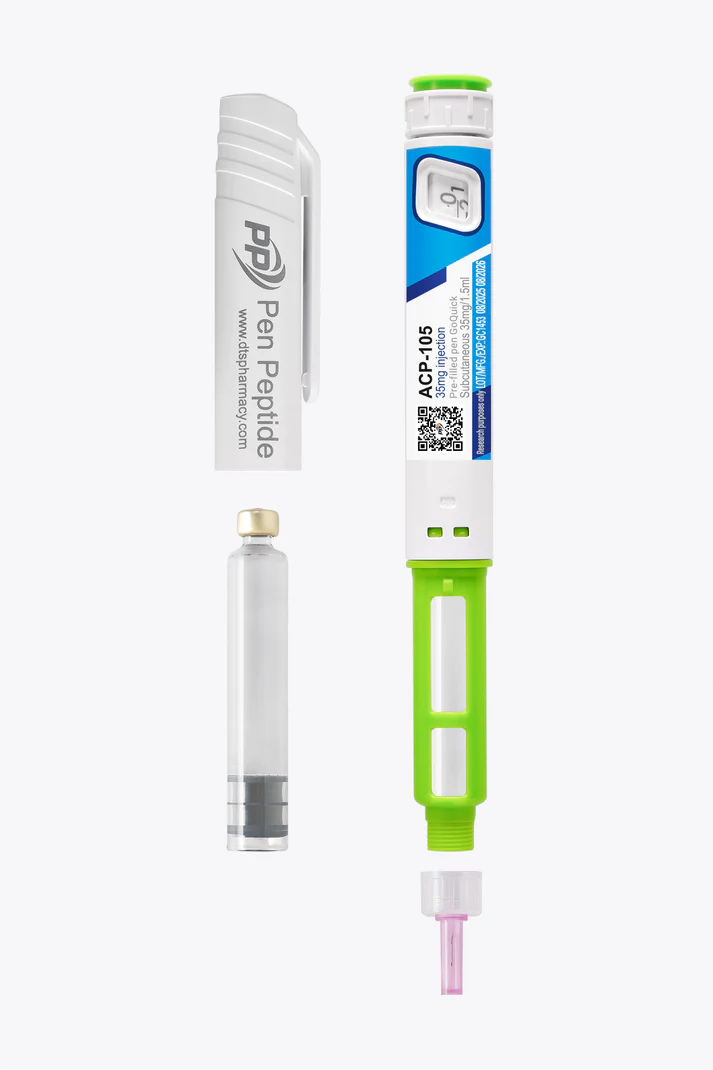
- A stable formulation for subcutaneous administration, ensuring a predictable pharmacokinetic profile.
Thanks to these characteristics, ACP-105 is used in scientific models that aim to examine the possibilities of maintaining musculoskeletal function in conditions of aging, immobilization or hormonal deficiency.
Comparison of ACP-105 with other SARMs
ACP-105 is a selective androgen receptor modulator that features high receptor selectivity and moderate anabolic action, with minimal impact on non-target tissues. Although less known than leading molecules such as Ligandrol (LGD-4033), Ostarine (MK2866) and S23, ACP-105 is seen as a balanced alternative for studies requiring a lower androgen load and good tolerability.
Compared to Ostarine, ACP-105 offers similar anabolic activity, but with a possibly faster onset of effect, according to some preclinical observations. Both molecules are suitable for maintaining lean or immobilized muscle mass, and ACP-105 may have a slight advantage in short-term protocols where a moderate but distinct result is sought.
Compared to Ligandrol, ACP-105 is less pronounced in pure anabolic effect, but also with a lower risk of suppressing the hormonal axis. While LGD-4033 is preferred in aggressive muscle-oriented protocols, ACP-105 is more commonly used in supportive research related to recovery, mobility, and bone structure, especially in higher sensitivity models.
Compared to S23, which is extremely potent and often leads to testosterone suppression, ACP-105 is a significantly more gentle molecule, without the need for intensive post-protocol hormonal control. It is suitable for laboratory conditions where anabolic efficiency is sought with minimal systemic risk.
Dosage and administration of ACP-105 in research protocols:
Recommended study regimen: 5 units once daily for 4–6 weeks, followed by a 2–4 week rest period.
1 unit = 23.33mcg.
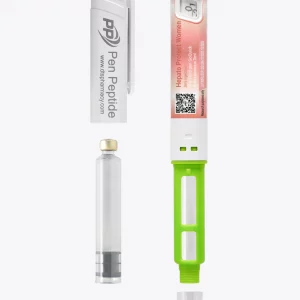
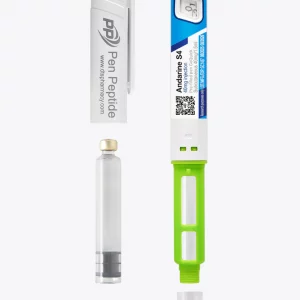
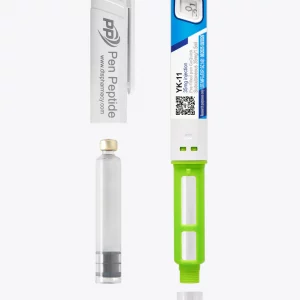
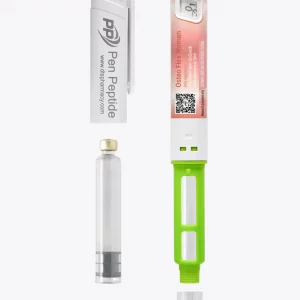
Total quantity in pen: 150 units
Possible side effects of ACP‑105:
Within the existing observations, ACP-105 shows a good tolerability profile. However, under certain conditions the following reactions can be reported:
- Temporary suppression of endogenous androgen production;
- Variable individual sensitivity to receptor stimulation;
- Lack of sufficient data on safety with long-term use.
Compliance with the optimal dosage and control over the duration of the application play a key role in limiting the manifestation of side effects.
For laboratory purposes and personal observation only.